Understanding the signs of gambling addiction a guide for prevention and awareness
What is Gambling Addiction?
Gambling addiction, often referred to as compulsive gambling, is a behavioral disorder that impacts individuals’ emotional and mental well-being. It manifests when a person becomes obsessed with gambling, leading to severe consequences in their personal and professional lives. Unlike casual gambling, which can be enjoyed responsibly, gambling addiction compels individuals to continue betting despite the negative outcomes they experience. For those considering various gaming options, https://anarchyboardingpark.com/ can offer resources to facilitate safe gaming experiences.
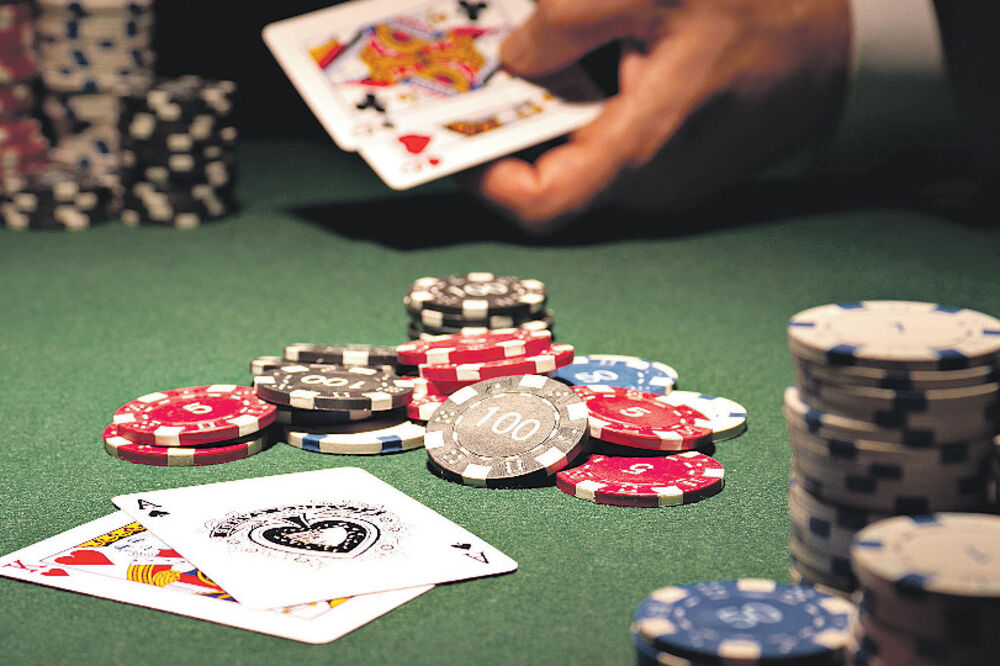
This addiction can stem from various factors, including psychological, social, and biological influences. Individuals may start gambling as a form of escapism to cope with stress, anxiety, or depression, only to find themselves trapped in a cycle of dependency. Recognizing this behavior early is crucial for effective intervention and treatment.
Moreover, gambling addiction can affect anyone, regardless of age, gender, or socioeconomic status. It is essential to understand that the signs may not always be obvious, making awareness and education vital components of prevention efforts. By delving into the signs of gambling addiction, we can foster a more supportive environment for those affected.
Recognizing the Signs
Identifying the signs of gambling addiction is the first step toward prevention and recovery. Common indicators include an inability to stop or control gambling activities, leading to financial difficulties. Individuals may often borrow money or sell personal belongings to fund their gambling habits, showcasing the devastating grip this addiction can have on one’s life.
Emotional changes are another telling sign. A person may become irritable, anxious, or depressed, particularly when not gambling or when facing losses. These mood fluctuations can alienate friends and family, further complicating the individual’s situation. It is also common for someone suffering from this addiction to lie about their gambling activities, creating a façade to hide the extent of their behavior.
Additionally, neglecting responsibilities at work or home is a significant red flag. An individual may start missing workdays or failing to meet personal obligations due to preoccupation with gambling. This shift not only affects the person but also puts immense strain on relationships with loved ones, highlighting the urgent need for awareness and intervention.
The Impact of Gambling Addiction
The consequences of gambling addiction extend far beyond financial ruin. Many individuals face escalating debts that lead to bankruptcy, which can severely hinder their ability to live a normal life. As debts mount, individuals may experience feelings of shame and guilt, leading to further escapism through gambling rather than seeking help.
Moreover, gambling addiction can severely impact mental health. It is often linked with anxiety disorders, depression, and even suicidal tendencies. A person entrenched in this addiction might feel trapped, believing that gambling is their only way out of a dire situation, further escalating their struggles. Mental health support is essential in addressing these underlying issues to aid recovery.
Social repercussions also play a significant role in the overall impact of gambling addiction. Relationships with family and friends may deteriorate due to trust issues and the emotional toll of the addiction. Many individuals find themselves isolated, as their social circles shrink, leaving them more vulnerable to the pitfalls of their addiction. Recognizing these impacts is vital for fostering compassion and understanding toward those affected.
Strategies for Prevention and Awareness
Preventing gambling addiction begins with education and awareness. Community programs and educational campaigns can help individuals understand the risks associated with gambling and the signs of addiction. Engaging individuals in discussions about responsible gambling practices can create a culture of awareness that discourages harmful behaviors.
Another effective strategy is promoting healthy coping mechanisms. Encouraging individuals to explore alternative activities—such as sports, arts, or community service—can divert attention away from gambling and help develop a balanced lifestyle. These activities not only provide enjoyment but also foster social connections, reducing the likelihood of turning to gambling for escape.
Additionally, support systems play a critical role in prevention. Family and friends should feel empowered to express their concerns and support those struggling with gambling habits. Programs that provide support to both individuals and their loved ones can create a more comprehensive approach to prevention and recovery, promoting a healthier, more informed community.
Resources for Help and Recovery
If you or someone you know is struggling with gambling addiction, it’s essential to seek help from professional resources. Numerous organizations specialize in assisting individuals affected by gambling issues. These resources provide counseling, support groups, and educational materials to guide individuals toward recovery.
Additionally, hotlines and online forums offer immediate support and guidance. Trained professionals are available to provide a listening ear and strategic advice tailored to individual circumstances. Engaging with these resources can significantly enhance the chances of recovery, offering the necessary support during challenging times.
It’s also crucial to foster a community that encourages open discussions about gambling addiction. By breaking the stigma surrounding it, individuals may feel more comfortable seeking help. Advocacy for better policies and regulations surrounding gambling can also create a safer environment, preventing addiction from taking root in the first place.

Conclusion and Final Thoughts
Understanding the signs of gambling addiction is the first step toward prevention and awareness. It requires a collective effort from individuals, families, and communities to address this issue effectively. Education and open discussions about gambling and its consequences are vital for fostering a supportive environment.
As we learn more about gambling addiction, we can work towards creating a society that prioritizes mental health and well-being. By supporting those affected and promoting healthier coping mechanisms, we can pave the way for recovery and resilience.