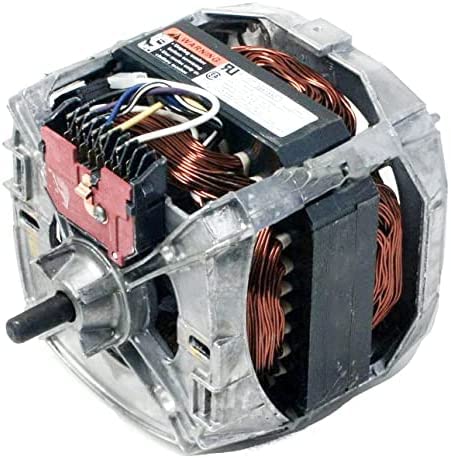
When it comes to maintaining the efficiency and longevity of your Whirlpool washing machine, understanding the components that drive its performance is crucial. One such key component is the WP661600 motor, which plays a pivotal role in the operation of these machines. This article will delve into the details of the WP661600, discussing its functionality, common issues, and maintenance tips to ensure your washer runs smoothly for years.
What is the WP661600 Motor?
The WP661600 is a direct drive motor used in several Whirlpool washing machine models. Unlike traditional washing machines that utilize belts and pulleys, Whirlpool’s direct drive systems harness the power of the motor to directly drive the spin and wash cycles. This design not only improves efficiency but also reduces wear and tear, significantly extending the appliance’s lifespan.
How Does the WP661600 Function?
At its core, the WP661600 motor is designed to convert electrical energy into mechanical energy. When activated, it powers the washer drum, controlling both the wash action and spin cycle. The motor’s direct drive system allows for a more balanced and effective wash, resulting in thorough cleaning and extraction of water from fabrics. This representation of a direct drive system is streamlined, enabling quicker wash cycles with less vibration and noise.
Common Problems Associated with the WP661600 Motor
Like any mechanical component, the WP661600 motor is not exempt from malfunctions. Some common issues include:
- Motor Not Starting: If the washing machine doesn’t respond when set to clean, it’s an indicator that something might be wrong with the motor. This could stem from an electrical issue or a failure in the motor itself.
- Unusual Noises: Grinding, squeaking, or clicking sounds can suggest that parts within the motor or the transmission are failing, leading to expensive repairs if not addressed quickly.
- Overheating: If the motor frequently overheats, it could indicate an overload or a malfunction within the motor’s winding that necessitates immediate attention.
Troubleshooting the WP661600 Motor
Should you encounter issues with the WP661600 motor, troubleshooting becomes essential. Here are some steps to consider:
- Check the power supply to ensure the machine is receiving electricity.
- Examine the lid switch; a malfunction here could prevent the washer from starting.
- Inspect for any loose connections or damaged wiring leading to the motor.
- If accessible, take a look at the motor for any signs of physical damage or wear.
<

h2>Replacing the WP661600 Motor
When repairs are no longer viable, replacing the WP661600 motor becomes necessary. Here’s a quick guide on how to go about it:
- Obtain a Replacement: Ensure that you’re sourcing a genuine WP661600 motor from a reputable supplier to maintain quality.
- Disconnect Power: Always unplug the washing machine before attempting any repairs to avoid electric shock.
- Remove the Washing Machine’s Outer Shell: This will give you access to the motor.
- Detach the Old Motor: Take note of how the existing motor is connected before removing it, making it easier to install the new one.
- Install the New Motor: Follow the reverse process to install the new WP661600 motor. Ensure all connections are secure.
- Test the Washer: Once everything is back in place, plug the machine back in and test run the cycles.
Maintenance Tips for Your Washer Motor
To maximize the lifespan of your Whirlpool washer and the WP661600 motor, consider the following maintenance tips:
- Regular Inspections: Periodically check for leaks, wear and tear, and other signs of deterioration.
- Use the Right Detergent: Using too much detergent can lead to residue build-up, which may impede the motor’s functionality.
- Avoid Overloading: Sticking to the manufacturer’s recommended load capacities ensures the motor doesn’t have to strain.
- Keep the Washer Clean: Regular cleaning can prevent clogs and allow the unit to run smoothly.
Conclusion
The WP661600 motor is a fundamental part of the cleaning mechanism in many Whirlpool washing machines. Understanding its role, troubleshooting potential problems, and performing maintenance can help you ensure your appliance remains efficient and effective. Whether you’re considering a replacement or simply want to ensure its longevity, familiarity with this motor will empower you as a savvy appliance owner.