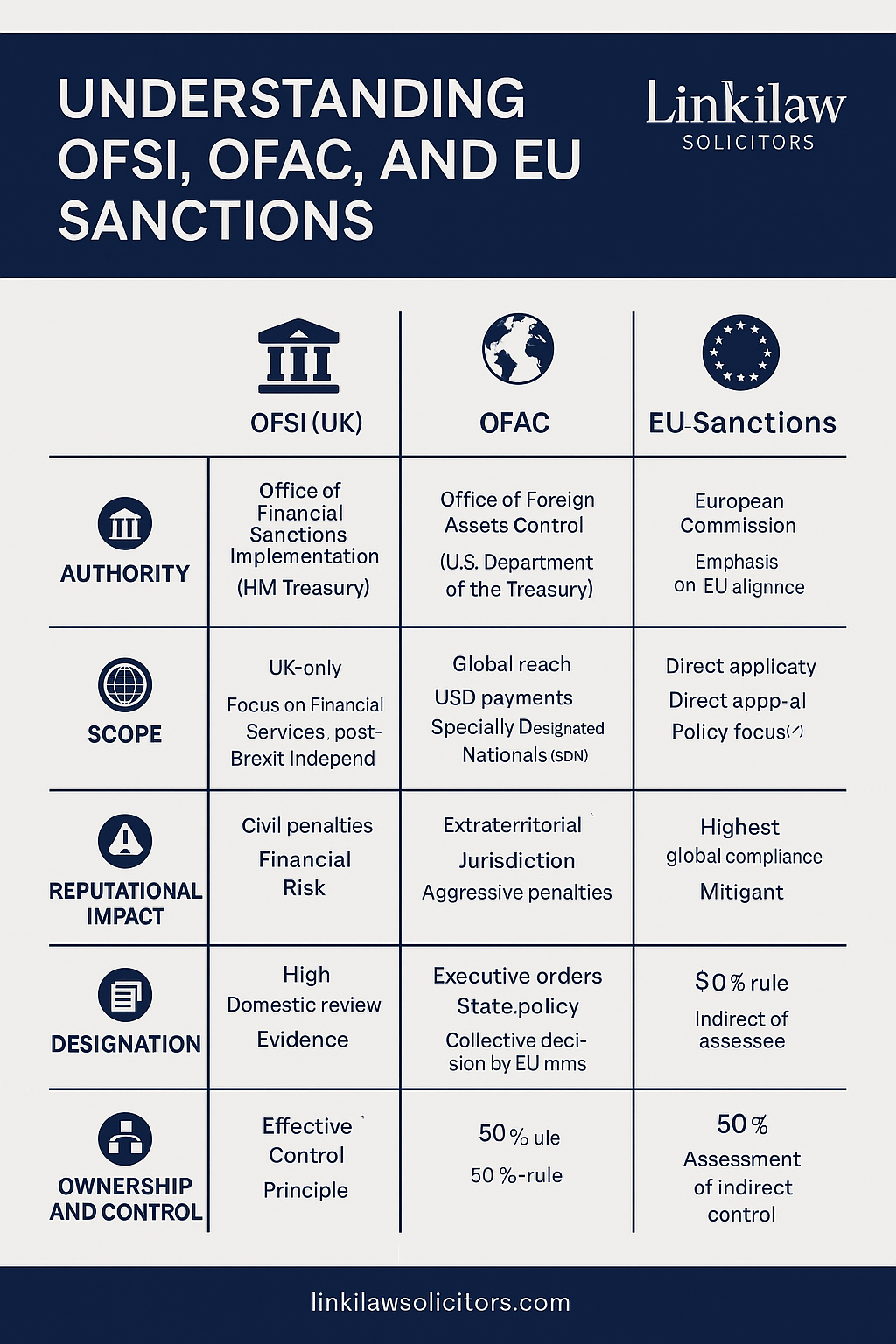
In today’s globalized world, the Office of Foreign Assets Control (OFAC) plays a crucial role in enforcing comprehensive economic and trade sanctions against targeted foreign countries and regimes, terrorists, international narcotics traffickers, and those engaged in activities that threaten the national security, foreign policy, or economy of the United States. As such, understanding representation in OFAC matters is paramount for individuals and entities operating in or engaged with sanctioned jurisdictions. For comprehensive insights, see this article on representation in OFAC matters.
What is OFAC?
The Office of Foreign Assets Control (OFAC) is a financial intelligence and enforcement agency of the U.S. Department of the Treasury. It is responsible for administering and enforcing economic and trade sanctions based on U.S. foreign policy and national security goals. These sanctions may target various countries, regimes, or individuals involved in illegal activities or actions that the U.S. deems harmful to its interests.
Understanding Representation in OFAC Matters
Representation in OFAC matters generally refers to the legal representation and counsel provided to individuals or organizations under investigation or facing sanctions imposed by OFAC. This area of legal practice is specialized and requires knowledge of both domestic and international law, as well as the ability to navigate complex regulatory frameworks.
Legal Strategies for Representation
Effective representation in OFAC matters often entails various legal strategies tailored to the specific circumstances of the case. Here are some key approaches:
1. Compliance and Risk Assessment
Prior to engaging in transactions involving foreign entities, it is critical to conduct a thorough compliance check. This includes assessing whether any parties involved are listed on OFAC’s Specially Designated Nationals and Blocked Persons (SDN) list or subject to other sanctions. An experienced attorney can assist in performing these checks to mitigate the risk of violations.
2. Engaging in OFAC License Applications
In certain scenarios, obtaining a license from OFAC may be possible to authorize specific transactions that would otherwise be prohibited. Representation during this process can enhance the chances of a successful application by ensuring that all necessary documentation and justifications are properly presented.
3. Responding to OFAC Investigations
If an entity or individual is under investigation by OFAC, having legal representation is critical. Attorneys with expertise in this area can help prepare a defense or response, ensuring compliance with required deadlines and processes.
Compliance Challenges and Best Practices
Compliance with OFAC regulations poses numerous challenges. Companies may inadvertently transact with sanctioned entities due to the global nature of the business and the difficulty in gathering comprehensive data. Here are some best practices to ensure compliance:
1. Regular Training and Updates
Organizations should conduct regular training sessions for employees about OFAC regulations and compliance procedures. Staying informed about changing regulations and current sanctions is vital.
2. Implementing Robust Compliance Programs
A robust compliance program is crucial for identifying and managing potential risks. This includes developing policies and procedures for due diligence, transaction monitoring, and reporting suspicious activities.
3. Utilizing Technology for Monitoring
Modern compliance solutions often incorporate technology to automate monitoring processes, including screening transactions against OFAC lists to catch potential violations before they occur.
The Importance of Legal Counsel
In OFAC matters, the role of legal counsel cannot be overstated. Skilled attorneys specialize in understanding the intricacies of OFAC regulations and can provide invaluable guidance. They can help navigate the legal landscape, represent clients during investigations, and work to mitigate any potential penalties. Moreover, they play an essential role in advising on compliance strategies and conducting internal audits to ensure that the organization is not inadvertently violating any sanctions.

Conclusion
As international transactions become more commonplace and interconnected, the relevance of OFAC regulations will continue to grow. Representation in OFAC matters requires expert knowledge and tailored strategies to ensure compliance and defend against potential allegations of violations. Organizations must not only understand their obligations under OFAC regulations but also proactively address compliance challenges with the support of knowledgeable legal counsel. By prioritizing proper representation and adopting best practices, entities can navigate the complexities of OFAC matters more effectively, thereby safeguarding their operations and interests in the global market.